Walk into any mattress showroom and you’ll find buyers pressing their palms into the surface, testing for that initial softness. The thicker the top layer, the more they assume it’s a plush, forgiving bed. But for an orthopaedic mattress, that logic falls apart. The latex layer in a firm design isn’t there to cradle you—it’s a structural element, a high-density buffer that prevents your hips and shoulders from sinking too deep and throwing your spine out of line. That’s the counterintuitive bit: in a mattress engineered for support, softness is a function of the wrong material, not the right thickness.
Think about a typical Queen size in a 4-room BTO master bedroom. Over five years, that bed will face relentless humidity and the constant pressure points of a sleeper’s weight. Standard foam, even firm foam, will gradually give. It’ll sag under the heaviest parts, creating a subtle valley that misaligns your back night after night. High-density latex fights that. It’s resilient, returning to its original shape morning after morning, which is why physiotherapists often point toward it for chronic pain or recovery. The thickness of that latex core isn’t about luxury padding; it’s about ensuring that resilience has enough depth to last across Singapore’s humid seasons without compacting.
You can compromise on the quilting or the cover fabric, but the latex core is where you don’t want to cut corners. A thinner layer might feel adequately firm at first, but over time it’ll lose its fight against compression. That’s when you get the tell-tale body impressions—the mattress looks fine, but your spine knows it’s not. For stomach sleepers or older residents needing extra support, that degradation matters even more. The one exception? If you’re after a genuinely medium-soft feel for pressure relief without the orthopaedic label, then a thinner latex over a spring system could work. But for the firm, structured support this category promises, a substantial latex layer is the guardrail that keeps everything in place.
A 152 by 190cm Queen bed in a standard 4-room BTO master bedroom doesn’t leave much room for error—you’ve got your layout, and the mattress you choose has to work for the bodies that will use it every night. The whole point of an orthopaedic mattress is that structured support, but that support needs the right depth to actually reach your spine. Too shallow a core, and a side sleeper’s pressure points—shoulder, hip—won’t get the cushioning they need; you’ll wake up with that familiar ache. Too deep, and a stomach sleeper’s torso sinks in, arching the back in all the wrong ways.
Latex thickness is the key variable here. For someone in their forties or beyond, maybe dealing with arthritis, that sink depth is critical. A thin layer of latex over a firm base might feel supportive at first, but it can’t isolate pressure over a full night. You need a core thick enough to let the shoulder dip in slightly while still keeping the spine in a neutral line—that’s the sweet spot. A core around 15 to 20 centimetres, with a firmer support layer beneath, often does the trick. Anything less, and the mattress might as well be a plank.
Stomach sleepers are the exception. Their needs are almost opposite. They require a rigid, near-flat surface to prevent the pelvis from dipping and straining the lower back. For them, a deep, plush latex top layer is a problem—it creates a hammock effect. A firmer mattress with a thinner comfort layer, maybe just a few centimetres, provides the uniform support their sleeping posture demands. So while a deeper core benefits most, especially side sleepers with joint concerns, a dedicated stomach sleeper should lean towards a firmer, shallower construction.
Measure your own sleep habits honestly. If you’re a couple with different postures, you’re looking at a compromise or a split-firmness option. But don’t just go for the thickest mattress hoping for the best support—sometimes more is just more, not better. The goal is alignment, not luxury cushioning. Get the depth wrong, and even the best materials won’t stop that morning stiffness.
The relentless humidity here is a mattress's worst enemy. It seeps into foam cores, breaking down the material's cellular structure far quicker than in drier climates. A twelve-centimeter layer simply doesn't have enough mass to resist this constant assault, especially in older flats where bedroom ventilation is often poor. Over three years, that thin core can soften unevenly, creating dips that wreck spinal alignment. For someone with existing back issues, that's a recipe for morning pain.
Orthopaedic support isn't just about initial firmness; it's about consistent density that holds your spine in a neutral position all night. A thinner core lacks the depth to provide that unwavering foundation, particularly for heavier body types or stomach sleepers who concentrate pressure. After the initial wear, the middle section—where most weight settles—often gives way first. That's when you get that frustrating sag, even if the edges still feel firm. It's a deceptive failure that happens gradually, so you might not realise your support has gone until the ache sets in.
Foam, by its nature, compresses over time with nightly loading and unloading. In a post-injury context, where every night's rest is part of the recovery process, this fatigue matters more. A twelve-centimeter block has less material to distribute the stress, so it works harder per cubic centimeter. That accelerated wear leads to a permanent loss of rebound, meaning the mattress won't push back against your body's weight effectively. What starts as a supportive surface becomes a passive, yielding one that lets your spine slump.
Many buyers think a three-year warranty means the product will perform for that period, but performance and structural integrity are different things. For an elderly sleeper with osteoporosis, a core that yields even slightly after year three is a genuine risk. The bone fragility demands a surface that doesn't compromise, and a thinner profile is more likely to reach that compromise point right around the warranty expiry. You're looking for a mattress that lasts well beyond the covered period, not one that just meets the minimum guarantee.
Sleeping on a surface that's lost its orthopaedic intent can actually hinder recovery from an injury or surgery. The body needs proper alignment to heal, and a softened mattress creates micro-movements and misalignments throughout the night. That subtle strain adds up, potentially slowing progress or even causing new discomfort. For the adult child buying for an ageing parent, this is the hidden cost—a mattress that seems okay now might quietly undermine their parent's comfort and health in a few years. The only exception I'd consider is a very lightweight individual who sleeps exclusively on their back; even then, the humidity factor remains a threat.
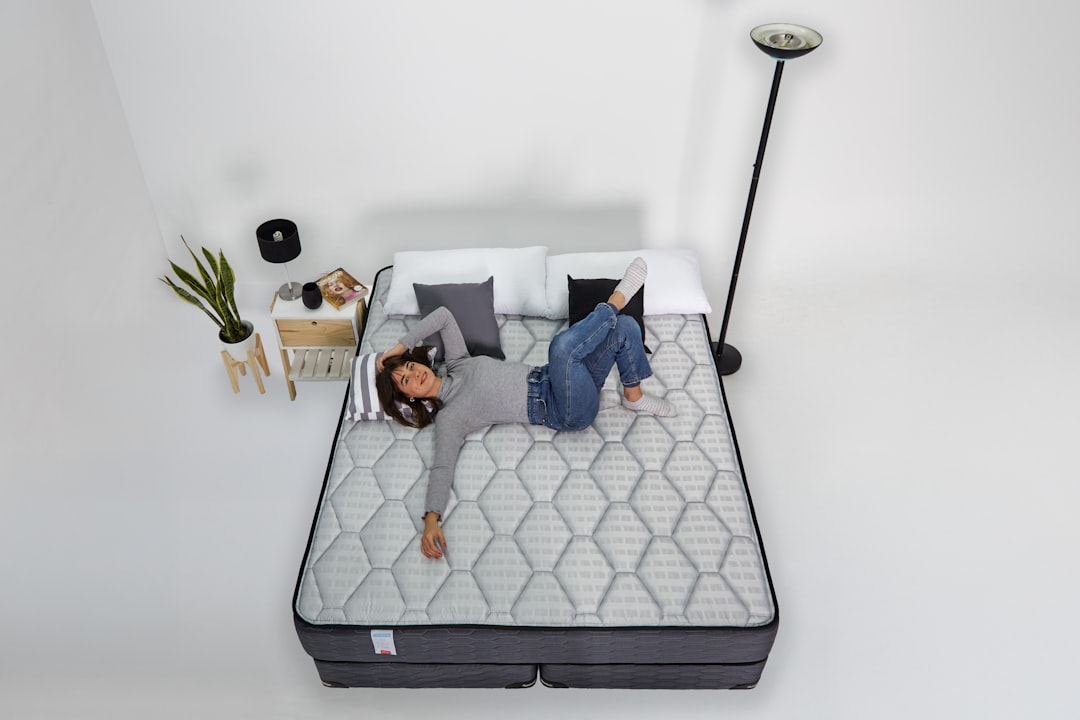
For a stomach sleeper, that extra-firm support you need for your spine can feel like a hot plate after a few hours. Your body sinks deeper into the surface, pressing more of your torso against the mattress core, and that’s where the material’s heat retention really kicks in. It’s a classic trade-off: the dense, durable core that maintains its shape and prevents sagging over years is also a fantastic insulator. In a west-facing room in Bedok or Tampines, where the afternoon sun bakes the exterior wall, you’re adding that thermal load to the equation. A mattress that’s perfect for posture at 10 PM can become unbearable by 3 AM.
Don’t compromise on the core density for the sake of coolness. A less dense material will soften and sag faster, defeating the entire purpose of an orthopaedic purchase. Instead, look for that balanced construction: a firm, durable latex core of sufficient depth for spinal alignment, topped with a layer of natural fibres like wool or a ventilated gel-infused foam. This combination manages the heat while preserving the support. For those older flats with smaller windows and less cross-ventilation, this setup is non-negotiable.
This is where latex cores show their advantage. They conduct heat differently from memory foam or high-density polyurethane. The open-cell structure allows for more air movement, so it doesn’t trap body heat with the same intensity. But here’s the counterintuitive bit: thicker isn’t always cooler. A very thick, solid latex core, while supremely supportive, can still become a heat sink. The key is in the layering. You want a core thick enough to provide that rigid, unyielding support for your hips and shoulders—typically at least 15 to 20 centimetres for a proper orthopaedic feel—but it can be engineered with ventilation channels or paired with a breathable, airflow-promoting comfort layer on top.
The only time I’d consider a thinner core is if the mattress is going on a slatted base with very wide gaps—that base then provides significant airflow from below, supplementing the mattress’s own breathability. But on a solid platform bed, common in many HDB rooms, you need the mattress to do all the climate work itself. In that scenario, skimping on core thickness for a cooler feel is a mistake you’ll feel in your lower back within a year. Get the support right first, then solve for heat through intelligent material choice and layering.

That 30cm-thick latex mattress might look like a dream in the showroom, but it becomes a logistical nightmare in a 3-room flat common bedroom. The core issue is simple physics—latex is dense and heavy, which means your existing flimsy platform frame probably won’t cut it. You need a solid, often heavier-duty bed base to prevent any sagging or, worse, a collapse. In a compact 12 sqm room, that extra mattress depth plus a sturdy frame can swallow the floor space until you’re left with just narrow corridors to shuffle through.
Measure the room footprint first, then subtract the bed’s footprint. A Queen at 152 by 190cm leaves precious little room for side tables or a modest wardrobe if the room is only about 3 metres wide. Now add a 25 to 30cm mattress height—suddenly, the bed becomes a dominant platform, and getting in and out feels like navigating a ship’s berth. For ageing parents, that extra height can be a genuine tripping hazard, especially if they need to sit on the edge to stand up. The ideal spinal support thickness for them might be a firm 20cm core, not the plushest 35cm showroom model.
The one real exception is if the room is a standard BTO master bedroom, which typically has the space to absorb a thicker profile without feeling oppressive. Even then, check the doorway clearance—internal bedroom doors are often the tightest pinch point. A flexible latex mattress can usually be bent to fit, but that rigid, reinforced bed frame you now need might not make the turn. If the delivery crew ends up having to carry it up the staircase, you’re looking at an extra surcharge.
So the rule is straightforward: match the mattress core thickness to the room’s actual dimensions, not just the sleeper’s support needs. A thinner, high-density latex layer on a low-profile, solid-wood slatted base can provide excellent orthopaedic support without turning the bedroom into a mattress-filled closet. The goal is restorative sleep, not a daily obstacle course around your own furniture.
The pressure map on a screen tells you one story, but your own spine tells you the real one. That’s the concrete reason to make the trip. On the showroom floor, you’ll find the latex core beds laid out in a progression—you can start with the thinner profiles and work your way up to the extra-firm support layers. The key is to spend a solid fifteen minutes lying in your usual sleeping position, not just a quick sit-down. Your body needs that time for the initial firmness impression to fade and for the actual support to communicate itself.
Latex thickness on a spec sheet translates to a particular feel that’s deeply personal. A sleeper with lower back arthritis might find a medium-firm core offers the perfect blend of contouring and push-back, while someone recovering from a disc injury could need that unyielding, extra-firm base to keep everything in alignment. Stomach sleepers, who often need the firmest surface to prevent their spine from bowing, will know within a minute if a mattress lets their hips sink too far. It’s a physical check you simply cannot do online.
Ignore the urge to rush. Bring your partner if you share the bed, because their weight distribution and pressure points are different. You might discover that what feels like perfect orthopaedic support for you is a plank to them, or vice versa. The showroom is the one place to negotiate that compromise on the spot, shifting from model to model until you find a middle ground that doesn’t sacrifice spinal health for either of you.
There’s only one scenario where this hands-on test is less critical: if you’re buying a mattress for a guest room that’s used a few nights a year. For a daily driver, especially with chronic pain involved, trusting a description is a gamble with your next morning. The difference between a mattress that manages your condition and one that aggravates it can be just a few centimetres of latex density—a detail your body will recognise long before your brain does.
Thicker latex cores can feel like a solid upgrade, but they don't automatically translate to better spinal alignment. The support comes from the material's density and construction, not just its height. A dense 10cm latex layer might actually provide firmer, more structured support than a softer 15cm one—it's about how the material responds to your weight, not how deep it is. For chronic lower back pain, a core that's too thick and soft can let your hips sink, misaligning your spine just as much as a too-thin, too-hard one.
Is a 15cm core more durable than a 10cm one? In our humidity, the longevity is tied to the quality of the latex and its ventilation, not the thickness. A well-made, ventilated 10cm core from a reputable source can last decades, while a thicker, poorly processed block might degrade faster. The extra centimetres won't protect it from moisture—proper airflow around the mattress does that.
Sciatica relief often needs a specific firmness profile, not just depth. A mattress that's too soft allows the body to curve, putting pressure on the nerve; one that's too firm creates counter-pressure. The ideal is a firm-to-extra-firm surface that keeps the spine neutral, which can be achieved with various core depths depending on the latex's inherent feel. A stomach sleeper with lower back ache is a classic case where thicker isn't better—they need a very firm surface to prevent the abdomen from sinking and hyperextending the lumbar spine. A moderate-depth, high-density core usually wins here.
The only time I'd push for a thicker core is for a heavier individual, where extra material is needed to prevent compression through the entire support layer. For most, chasing centimetres is a distraction. Focus on the feel: lie down in a showroom and pay attention to whether your spine feels straight, not whether the salesperson is boasting about the height.
" width="100%" height="480">Latex core thickness: Determining the ideal depth for spinal supportBefore you sign off on that centimetre count, there’s a quiet moment where you need to look past the showroom comfort. A thicker latex core adds considerable weight, so that sleek platform frame you’ve got needs a second glance. Check the slat spacing and the centre leg support—if it’s a lightweight particleboard design, the extra kilos from a dense latex slab might cause a sag over time, and that’s a structural headache you don’t need.
Your sleep posture isn’t just a preference; it’s the blueprint for how that core should work. A stomach sleeper needs that firm, even support to keep the spine neutral, while a side sleeper relies on the latex to contour at the shoulder and hip. If you’ve got a partner with different needs, a zoned core might be the better call—otherwise, one of you will be compromising every single night.
Then there’s the room itself. Latex sleeps cooler than memory foam, but it’s not magic. In a west-facing master bedroom that bakes in the afternoon sun, or a common room with one small window, heat can still build up. Good airflow is non-negotiable. If your flat’s layout traps humid air, consider a hybrid build with airflow channels over a solid slab, because a sweaty night ruins even the best spinal alignment.
Think ahead five years, too. Singapore’s climate is a constant test for any material. A high-quality, dense latex core should hold its shape and support consistency, but cheaper, less dense versions can soften prematurely in our humidity. That initial firmness you loved could fade, leaving you with a mattress that no longer does its job. It’s a long-term investment in your back, so factor in that durability.
Finally, the showroom test is a snapshot. Lying down for five minutes on a perfect floor tells you about comfort, not about how it’ll feel at 3 a.m. in your own home. The only real way to know is to commit to a trial period where you can sleep on it for weeks. If a retailer doesn’t offer that, you’re taking a much bigger gamble on your recovery and rest.